


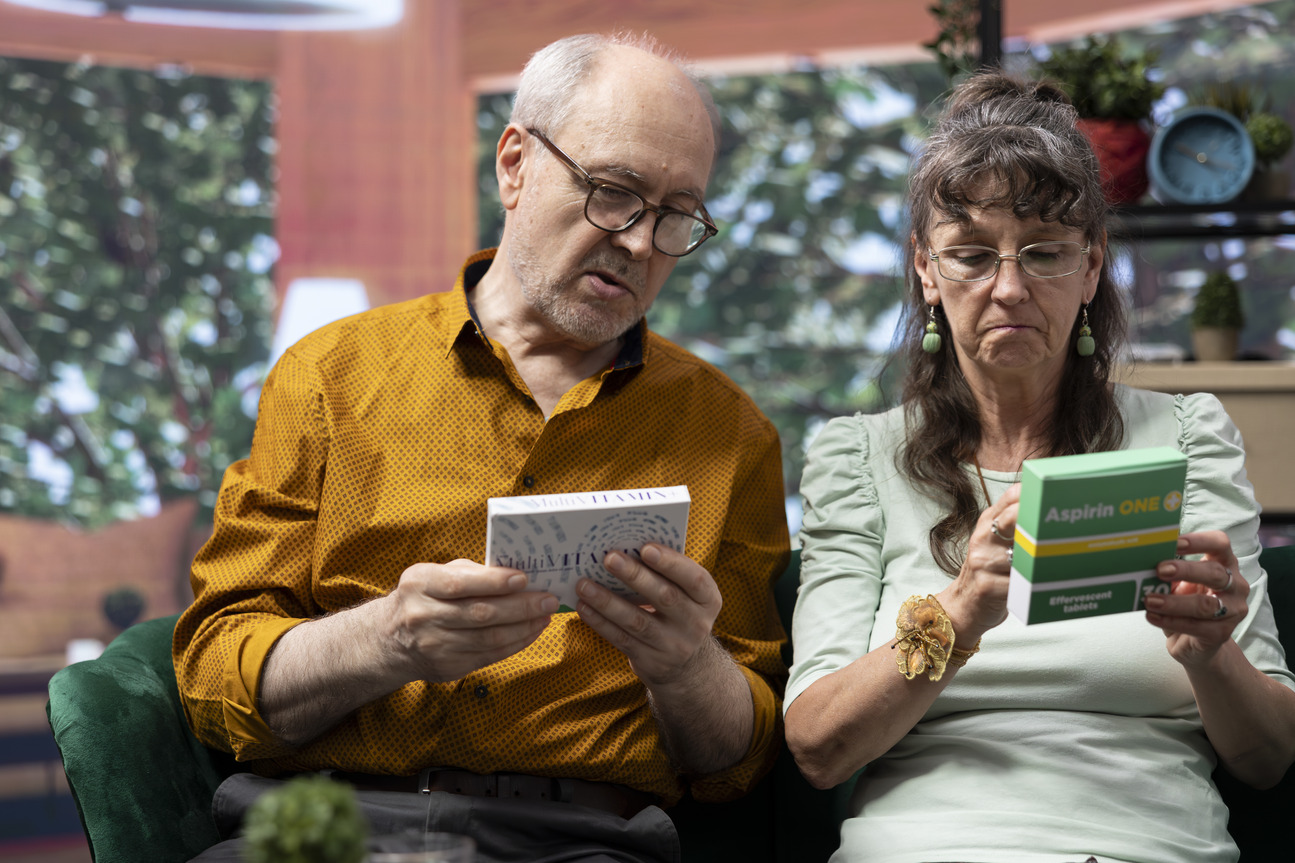
As seniors age and start needing help with certain tasks, there is an initial sense of resistance that commonly arises associated with a desire to maintain independence. It takes time for aging parents to get comfortable with the idea of having hired caregivers come into their home – they are “strangers” even if they come from a trusted source. Therefore, in many cases it is the family caregivers, either in the form of a spouse or adult children, who start providing care right from the early stages. However, when families provide care themselves, it may be “free” in dollars, but the costs show up in other ways that can profoundly impact quality of life.
Career Impact
Family caregivers who are still in the workforce often reduce work hours, decline promotions, or leave the workforce entirely as a result of caregiving duties. The financial ripple effects, such as lost income, reduced retirement savings, and diminished career advancement, can last decades beyond the caregiving period.
Health Impact
The stress of caregiving takes a measurable toll. Family caregivers experience higher rates of depression, anxiety, chronic health conditions, and weakened immune systems. The constant vigilance and physical demands leave little time for self-care or medical appointments.
Relationship Impact
Caregiving strain affects every relationship in the family system. Marriages suffer under the weight of competing priorities and exhaustion. Siblings often clash over unequal caregiving burdens, with resentment building when one person shoulders most responsibilities. The parent-child role reversal creates its own emotional complexity, while social isolation deepens as friends drift away from the time-starved caregiver.
One way to reduce these negative impacts is to share the caregiving responsibilities among multiple people and to form a support circle that includes both family and professionals. This approach supports the family caregivers to achieve some life balance because the caregiving responsibilities are not placed on any single person’s shoulders.
How Professional Care Can Help
Professional caregivers don’t replace family involvement – they enhance it by alleviating the hidden costs. Their support allows adult children to maintain career momentum without guilt, reducing the need for extended time off work or leaving positions entirely.
With professional care handling day-to-day needs, the primary family caregiver experiences significant stress reduction and improved health outcomes. The burden becomes more equitably distributed among siblings, as everyone can focus on emotional support and quality time rather than debating who changes schedules for medical appointments.
Professional caregivers also bring specialized expertise in recognizing subtle health changes and managing complex care needs, providing families with peace of mind and the space to be present as loved ones rather than exhausted care managers.
The goal isn’t choosing between family and professional care – it’s finding the right balance that preserves family wellbeing while ensuring quality care.
For more guidance on how professional help can be integrated into your family caregiving, contact us at info@home-to-home.ca.
Tags: aging, caregiving, eldercare