


- A home can stop fitting long before there’s a crisis. The early signs are usually small: closed-off rooms, skipped stairs, and maintenance that keeps slipping.
- Canadians have options to stay longer, including federal and B.C. tax credits for accessibility renovations. Even so, sometimes a move is the better choice.
- Starting the conversation early lets an aging parent decide for themselves, before an emergency decides for them.
For many families, the house holds decades of birthdays, holiday dinners, and pencil marks on the door frame. So it makes sense that the question “Is this still the right place?” gets pushed aside.
Most Canadians say they want to age at home, and for many that’s the right choice. A home that fit beautifully at 55 can quietly work against someone at 80, though. The signs are rarely dramatic, and that’s why they’re easy to explain away.
1. Parts of the house have gone quiet
Upstairs bedrooms that haven’t been used in months. A basement nobody goes down to anymore. A living room that’s become storage.
When someone is living in two or three rooms of a four-bedroom house, they’re still paying to heat, insure, and maintain the whole thing. That space can represent significant equity that could be funding comfort, care, or a better-suited home.
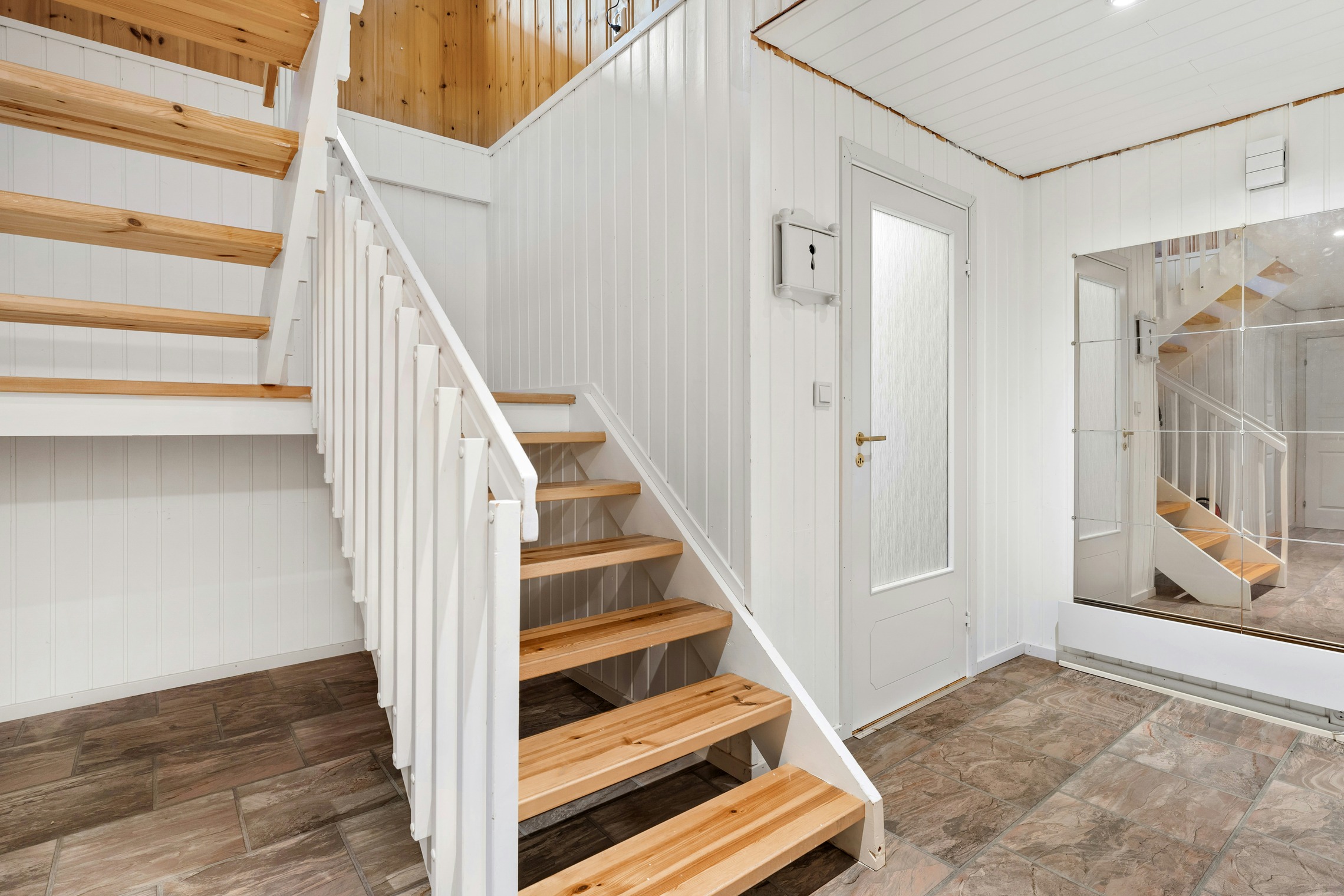
2. The stairs have become a negotiation
Watch how a parent moves through the house. Do they plan trips upstairs? Carry laundry one item at a time? Sleep on the couch to avoid the climb?
Stairs are one of the most common places for falls at home. If a parent is working around their stairs rather than using them, the layout no longer fits their body.
3. Maintenance is slipping
Gutters full of fall leaves. A lawn that’s overgrown. A dripping tap that’s been “on the list” for a year.
In coastal B.C., the wet season brings slick decks, mossy walkways, and leaf-clogged drains. In the Interior and the North, there’s snow to shovel and ice to manage. When upkeep starts costing more energy, or more money in hired help, than it’s worth, that’s worth noting.
4. The neighbourhood has changed
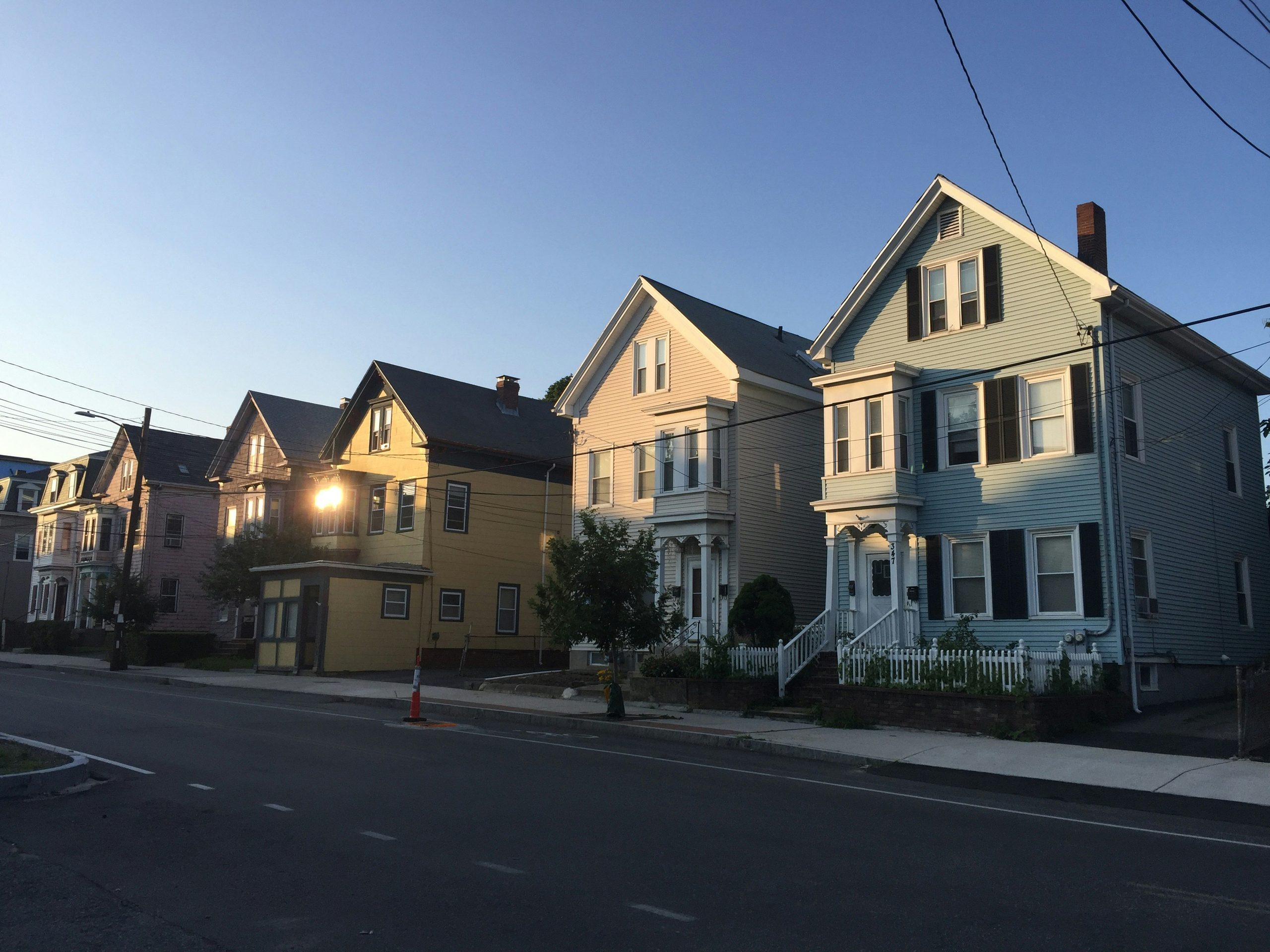
Sometimes the house is fine but the location isn’t. Friends have moved away. The grocery store is no longer walkable. A parent who has stopped driving may find themselves cut off from appointments, church, or the community centre.
Isolation is one of the less visible risks of staying put. A home that’s safe but lonely still isn’t a good fit.
5. Everyday tasks are harder than they look
Cooking, bathing, and getting in and out of the tub can become harder bit by bit. Look for spoiled food in the fridge, unopened mail, or a shower that’s no longer being used.
An occupational therapist can assess the home and recommend changes like grab bars, a walk-in shower, or a main-floor bedroom. Those changes can buy real time.
Can the home be adapted instead?
Often, yes. Canadians have a few options that help:
- The federal Home Accessibility Tax Credit is a non-refundable credit that covers up to $20,000 a year in eligible renovation costs. It applies to work that makes a home safer or more accessible, such as grab bars, ramps, or a walk-in shower. Seniors can claim it themselves, or an eligible family member can claim it on their behalf. Routine maintenance, appliances, and gardening or outdoor services don’t qualify.
- Tip: Keep every invoice and proof of payment. You don’t submit them with your return, but the CRA can ask to see them later.
- B.C.’s Home Renovation Tax Credit for Seniors and Persons with Disabilities is a refundable credit worth up to $1,000 a year, or 10% of up to $10,000 in eligible renovation costs. It covers permanent changes such as grab bars, handrails, walk-in tubs, wheel-in showers, ramps, and main-floor bedroom or bathroom additions. Seniors 65 and over can claim it whether they own or rent, and so can family members who live with them. General maintenance, appliances, and services like housekeeping or gardening don’t qualify.
- The B.C. credit can be claimed for eligible expenses up to $10,000, even if some or all of those expenses also qualify for the federal medical expense tax credit that same year.
- Missed claims can also be recovered: if someone missed claiming the credit, they can request an adjustment to the tax return for the year it was missed.
- Tip: Keep all receipts from suppliers and contractors. If a family member does the work, their receipts for labour and materials must include a GST/HST number.
- B.C.’s Property Tax Deferment Program lets eligible homeowners 55 and older defer their annual property taxes until the home is sold or transferred, which can ease cash flow for people who want to stay. Starting with the 2026 tax year, newly deferred taxes cost more: interest is now charged at prime plus 2% and compounds monthly. Amounts deferred before 2026 keep the old terms.
- Tip: Because interest now compounds, the balance can grow quickly over time. Talk to a financial advisor before deferring, especially if your parent plans to stay in the home for many years.
Tax credits and program rules change, and eligibility depends on each person’s situation. This overview is for general information only. Before you plan a renovation around a credit, confirm the details with the Canada Revenue Agency (1-800-959-8281), the Province of B.C. at gov.bc.ca, or a qualified accountant or tax professional. For advice on which home changes would help most, an occupational therapist can assess the home and recommend options.
Renovations make sense when the core of the home still works. If someone needs a full rebuild of the main floor, faces long stretches alone, or is managing a large property they no longer use, adapting may only delay a decision that’s coming anyway.
How to start the conversation
Avoid opening with “You need to move.” Try curiosity instead:
- “How are the stairs feeling these days?”
- “If you could design your ideal place now, what would it look like?”
- “What would you want to happen if something changed suddenly?”
The goal is to listen, not to win. Your parent’s wishes should lead, even when the decision takes time.
Choice, not crisis
Too many moves happen after a fall or a hospital stay, when options are limited and decisions are rushed. Starting early means your parent can visit residences, sort belongings at their own pace, and choose what comes next.
Home to Home helps B.C. families with every stage of a transition. That includes care planning, finding the right residence, and planning and managing the downsize and move. If you’re noticing some of these signs, we’re happy to talk it through.
Contact Home to Home

Tags: aging, downsizing, eldercare, home safety, seniorcare