



When the first cold snap hits, many of us have the same quiet thought: Is Mom okay in that house? Is Dad shovelling again? If you’re the adult child of an aging parent, winter can bring a low hum of worry. Ice, cold, and short days make everyday life harder, and often the person who notices the gaps first is you.
The good news is that a little planning in November goes a long way. You don’t need a big overhaul or a difficult conversation about moving. A single visit, a short checklist, and a few small fixes can make the season safer for your parent and easier on your own mind.
Here is a practical walk-through you can do together, ideally before the snow flies.
Start with a conversation, not an inspection
Most parents don’t want to feel managed. Try framing the visit as “Let’s get you set for winter” rather than “Let’s check whether you can manage this winter.” Bring a coffee, walk through the house together, and let your parent lead where possible. The goal is to solve small problems with them, so they stay independent and comfortable at home.
The winter safety checklist
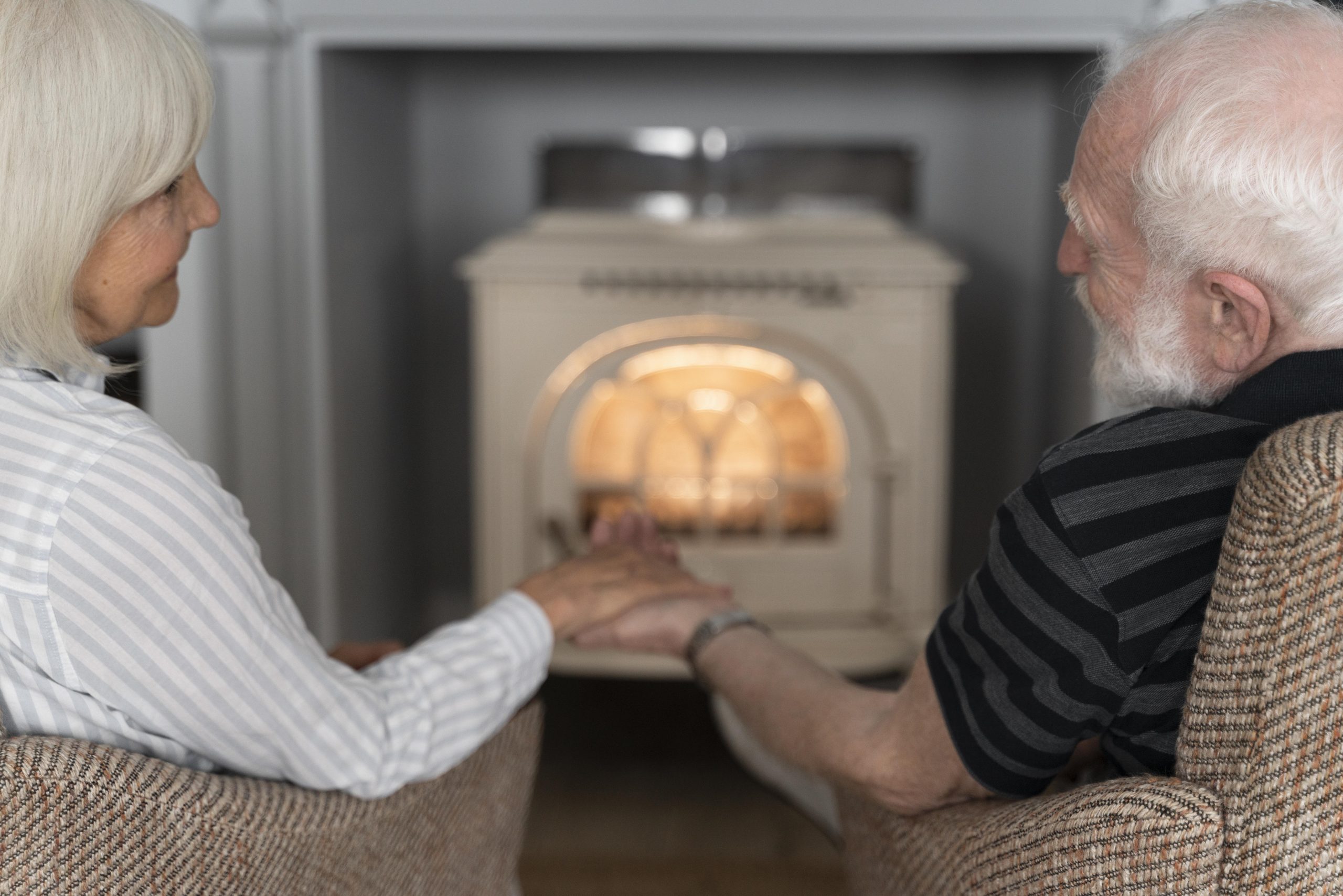
1. Heat and warmth
- Book the furnace or heating system inspection if it hasn’t been done this year.
- Check the thermostat setting. Many older adults keep the house cooler to save on bills, but a home that is too cool can be a health risk. A common guideline is to keep it at around 20°C (68°F) or higher.
- Make sure vents and heaters aren’t blocked by furniture or curtains.
- Seal obvious drafts around doors and windows.
- If your parent uses space heaters or electric blankets, check the cords and make sure they’re used as the manufacturer directs, never left unattended, and kept clear of anything flammable.
2. Smoke and carbon monoxide alarms
Carbon monoxide (CO) is an invisible, odourless gas, and Health Canada notes that the risk of exposure indoors is greatest in fall and winter because most Canadian homes are heated by fuel-burning appliances. Nearly two-thirds of reported CO poisoning cases in Canada happen in the fall and winter.
- Test every smoke alarm and CO alarm, and replace batteries.
- Check the date on the alarms. CO alarms generally need replacing every five to seven years, so follow the manufacturer’s label.
- Make sure there is a CO alarm on each level of the home and near sleeping areas.
- Remind your parent never to heat the home with a stove, oven, or barbecue, and never to run a generator indoors during a power outage.
3. Entrances, walkways, and falls
Ice and snow turn familiar steps and driveways into hazards. Falls are one of the biggest winter worries for older adults.
- Arrange snow clearing and salting in advance, whether that’s a neighbour, a local service, or you. This is a job worth taking off your parent’s plate.
- Make sure handrails are secure and exterior lights work.
- Check footwear: boots with good tread, and ice grippers or cleats for walking outdoors. Cane tips with ice grips can help too.
- Put a mat by the door so wet boots don’t make the entry slippery.
- Keep a path to the mailbox and garbage bins clear, or arrange alternatives so there’s no reason to risk it.
4. Power outage and emergency readiness
- Put together a small kit: flashlights, extra batteries, bottled water, non-perishable food, any needed medications, and a warm blanket.
- Make sure your parent has a battery-powered or crank radio and a phone charger or power bank.
- Write down emergency contacts and post them where they’re easy to see.
- Ask whether anyone in the household relies on medical equipment that needs power, and talk to your utility about priority notification if so.
5. Stocking up
- Refill prescriptions and check you have a few extra days’ supply before a storm.
- Keep the pantry stocked with easy meals, so a snowed-in week isn’t a problem.
- Consider grocery or pharmacy delivery for the stormiest months.
6. Staying connected
Winter can be isolating, and isolation makes everything else harder.
- Agree on a regular check-in, such as a daily call or text at a set time.
- Line up a neighbour or friend who can stop by if your parent doesn’t answer.
- Make a plan for social time: community programs, church, or regular visits so winter doesn’t mean weeks alone.
- Watch for signs of low mood. Shorter days affect many of us, and older adults are no exception.
7. Car and getting around
- If your parent still drives, check winter tires, wipers, fluids, and the battery, and keep a small emergency kit in the trunk.
- Talk about when it’s better to stay home or take a taxi or ride service rather than drive in bad weather.
- Save appointment transportation options in advance so a bad forecast doesn’t mean a missed visit.
What to do if the checklist shows bigger gaps
Sometimes a walk through the house reveals more than a few loose ends. Maybe the stairs are getting harder, the house is becoming too much to maintain, or your parent is struggling alone through the winter months. That isn’t a failure on anyone’s part. It’s useful information.
This is where planning ahead helps. Whether that means arranging extra support at home, creating a care plan, or starting a gentle conversation about downsizing or moving somewhere easier to manage, the earlier you start, the more choices your family has. Home to Home can help you think through those next steps at your own pace.
A final word
You don’t have to do everything in one afternoon. Pick the two or three items that matter most for your parent, such as snow clearing, working alarms, and a daily check-in, and start there. Small steps now mean a safer, calmer winter for everyone.
Print this checklist, bring it to your next visit, and tick things off together.
References
- Health Canada. Carbon monoxide: Overview. https://www.canada.ca/en/health-canada/services/air-quality/pollutants/carbon-monoxide.html
- Insurance Bureau of Canada. Breathe easier with a carbon monoxide detector (citing Health Canada). https://ibc.ca/news-insights/in-focus/breathe-easier-with-a-carbon-monoxide-detector
Tags: aging, caregiving, eldercare, home, home safety, seniors